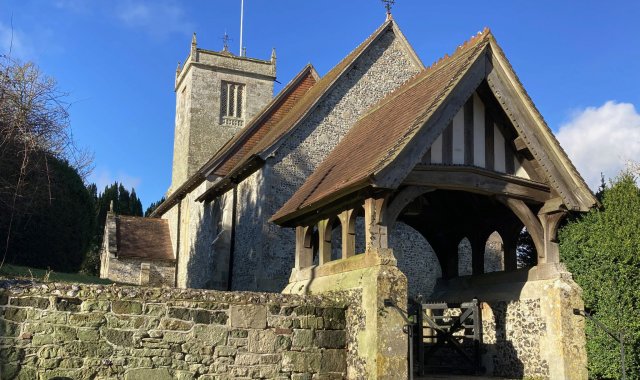
St John's Church, Ebbesbourne Wake
Our Church building
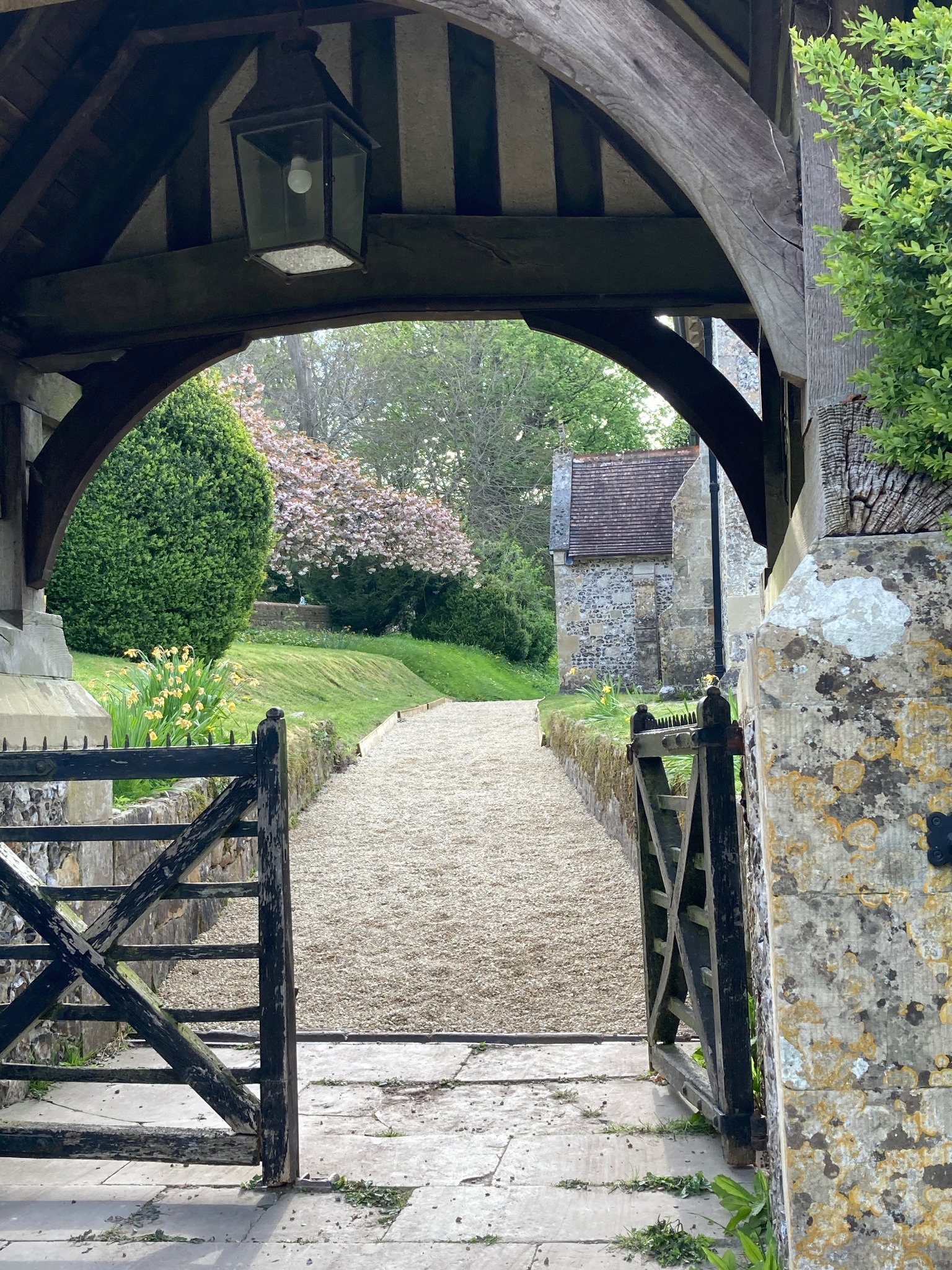
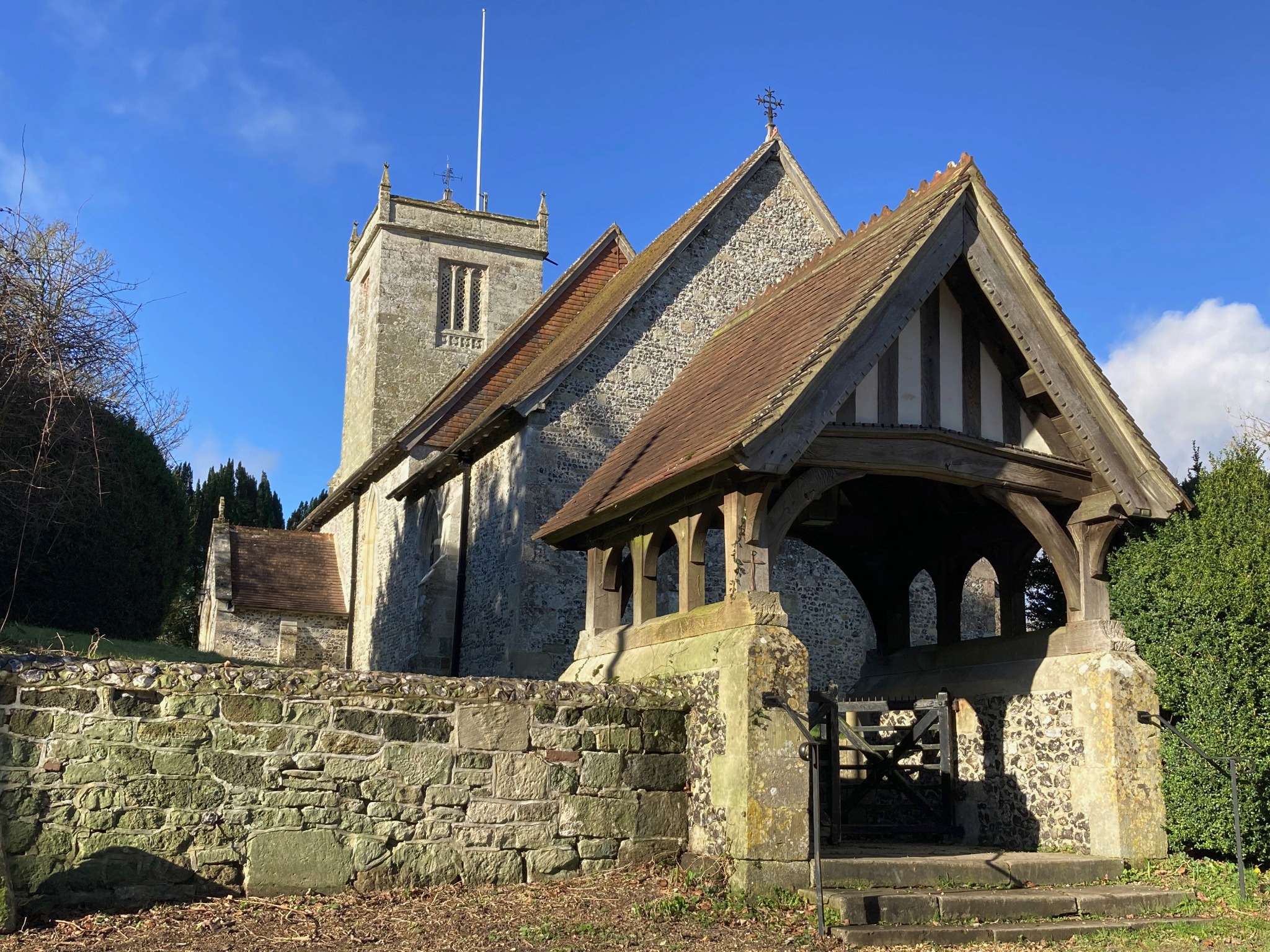
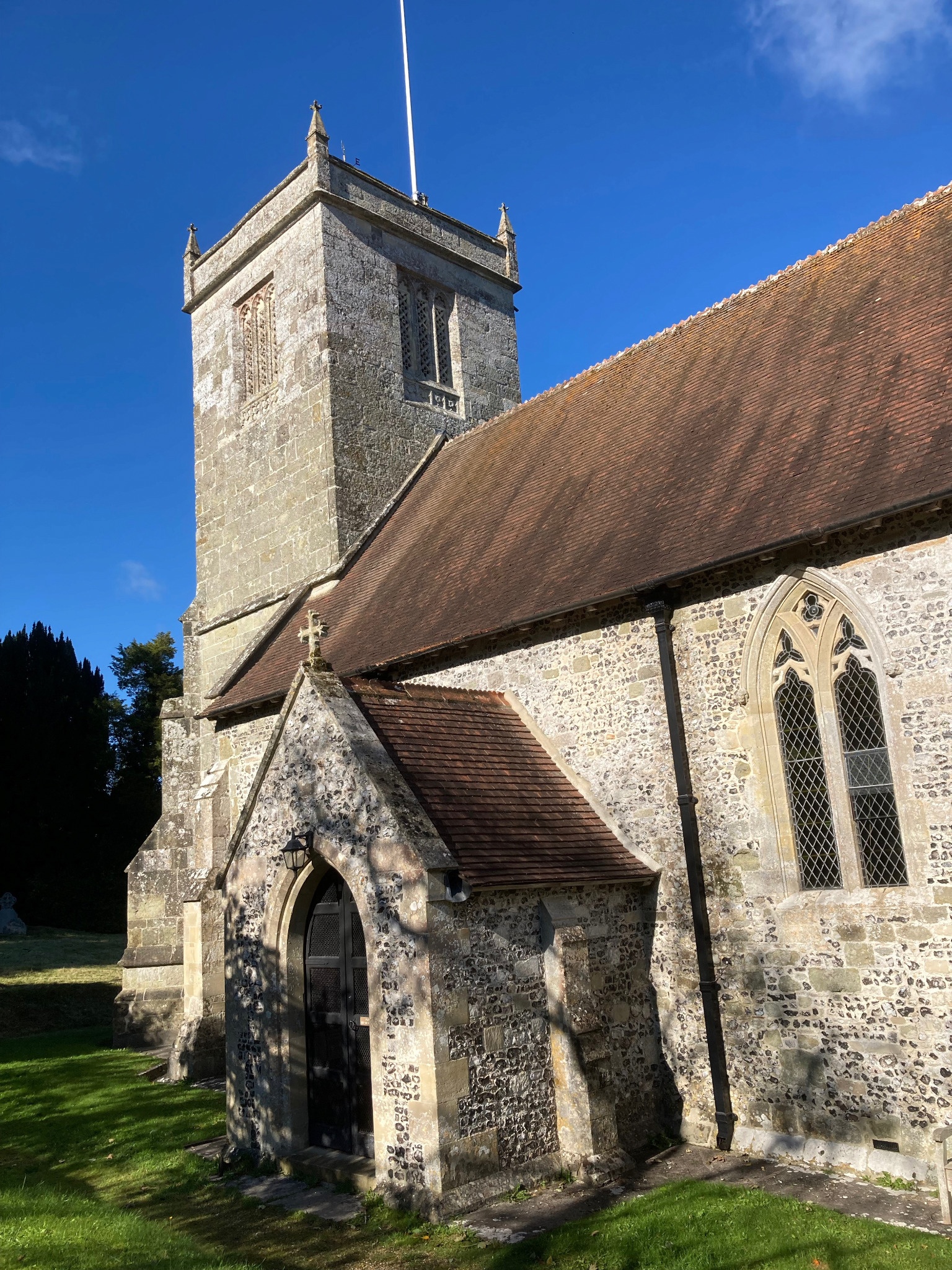
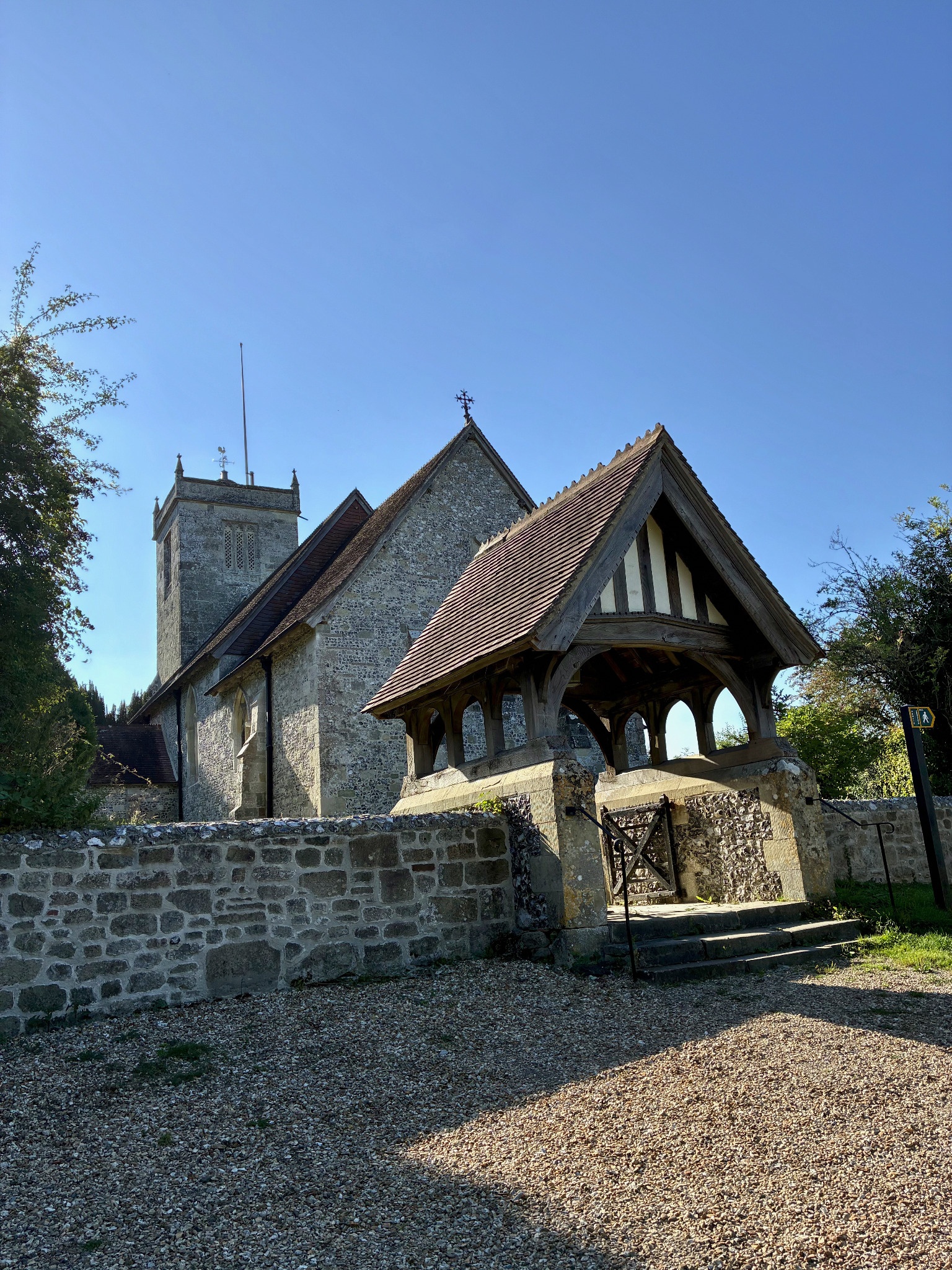
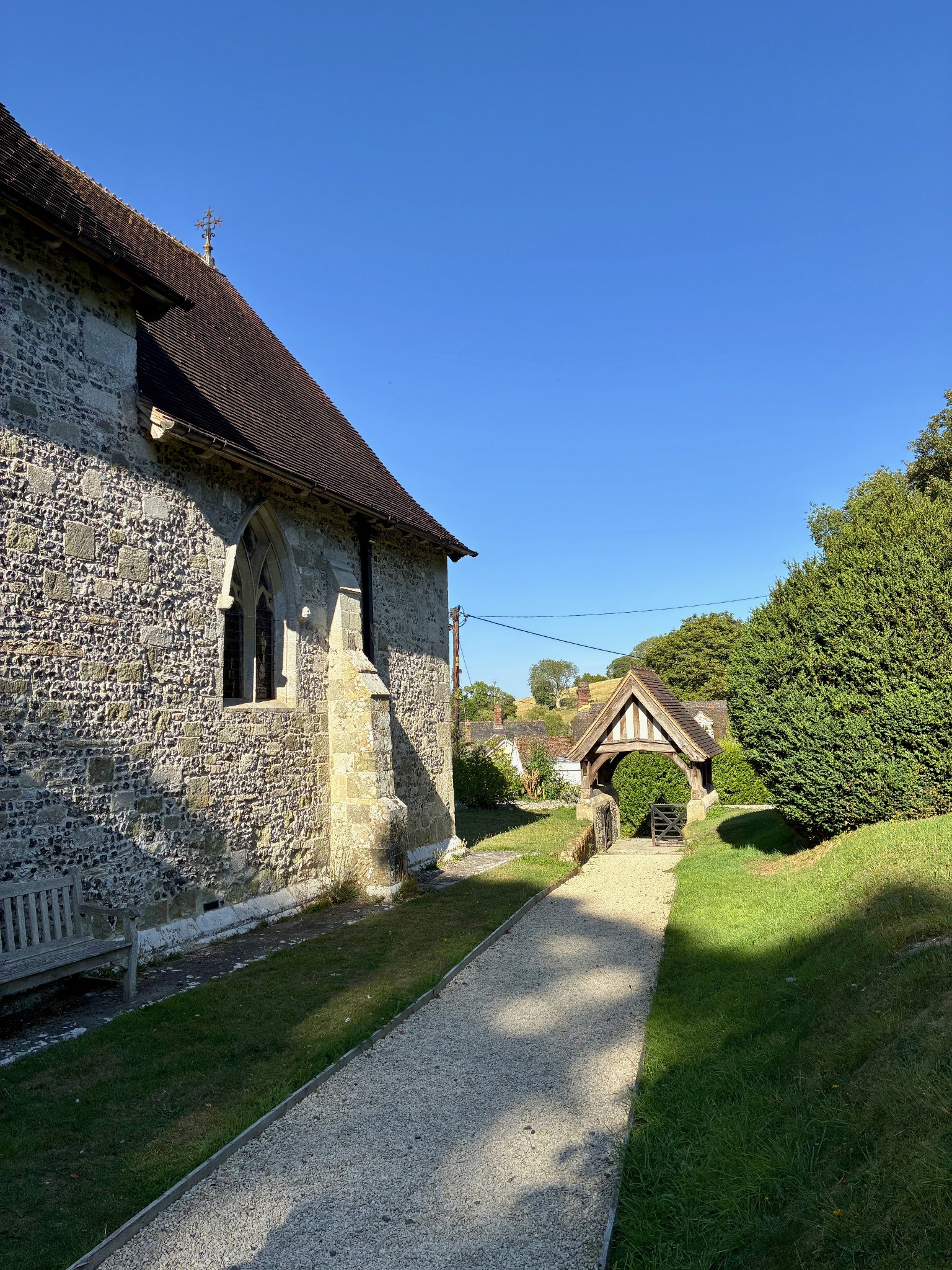
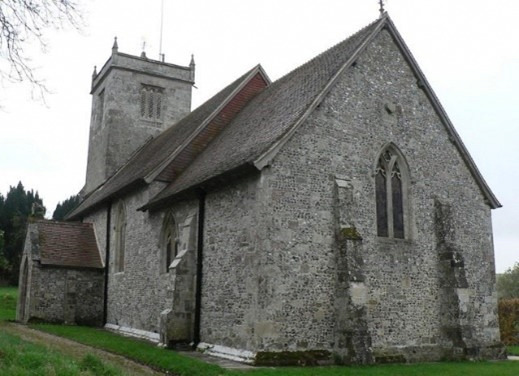
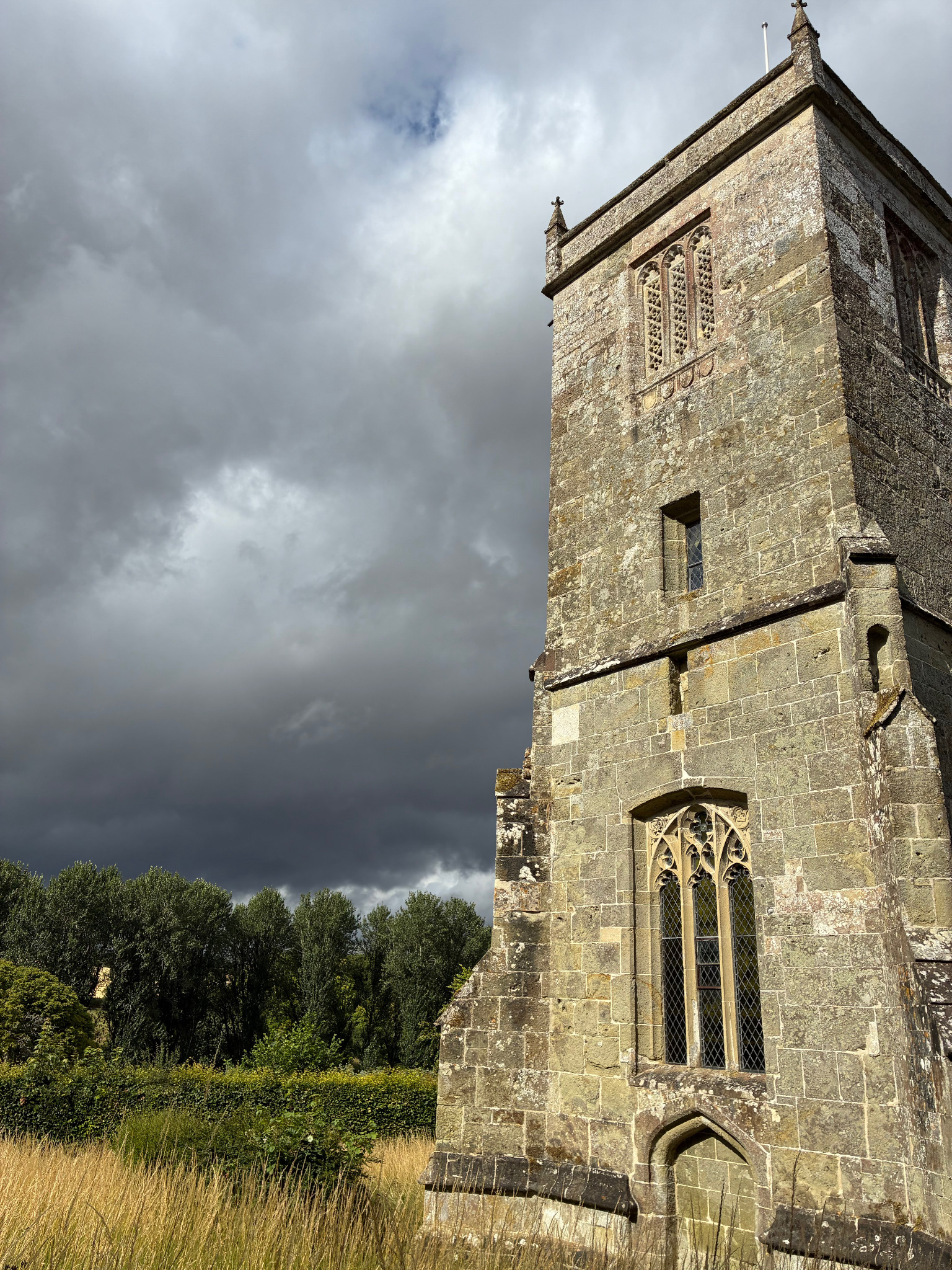
The church of St John the Baptist in Ebbesbourne Wake in the Chalke Valley, mostly dates from the early 14th Century.
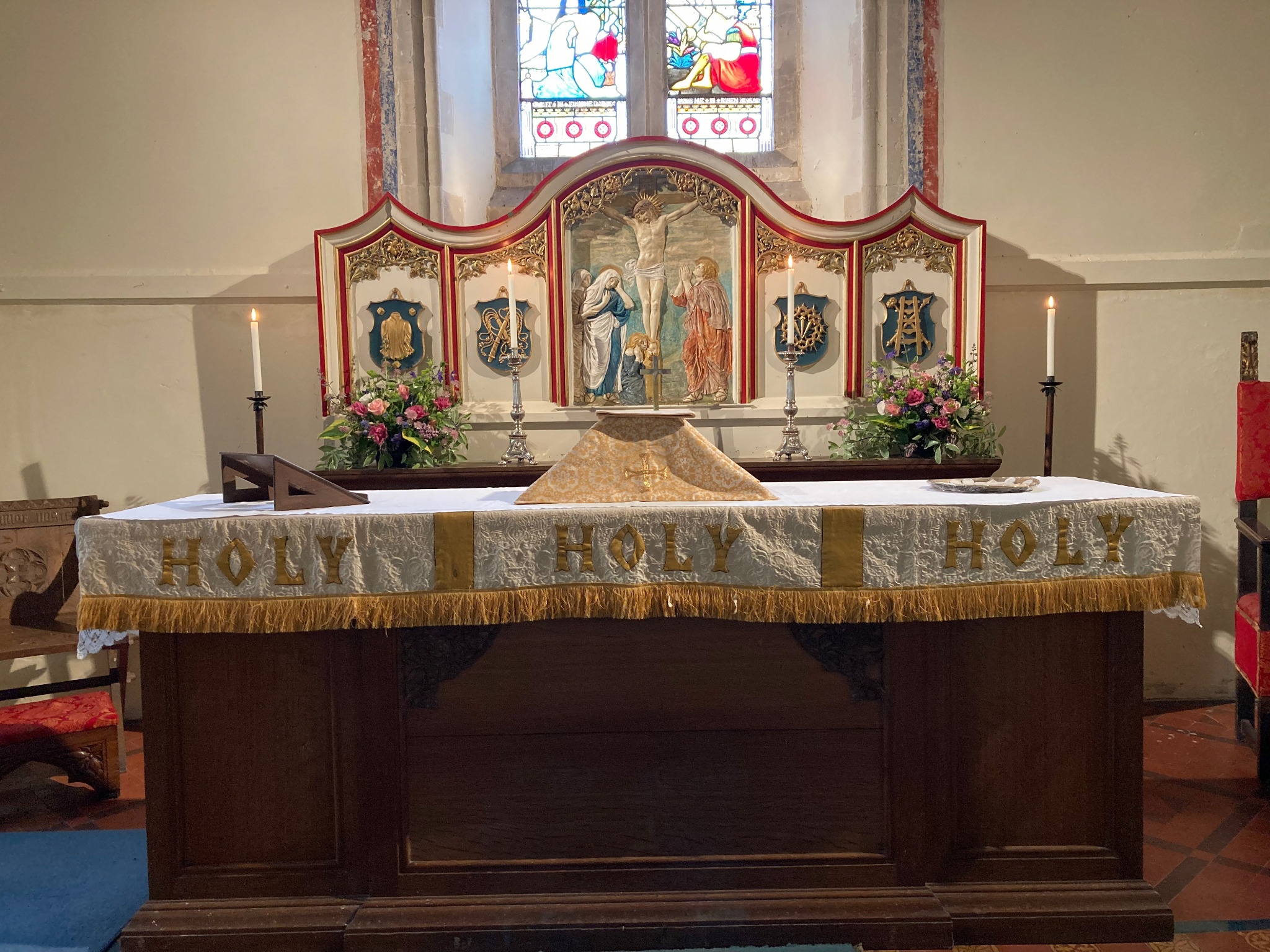
It is an unusually wide building with no side chapels. The single sedile (stone seat for the clergy by the communion table) with a crocketed gable in the chancel is an interesting well-preserved feature of this building.
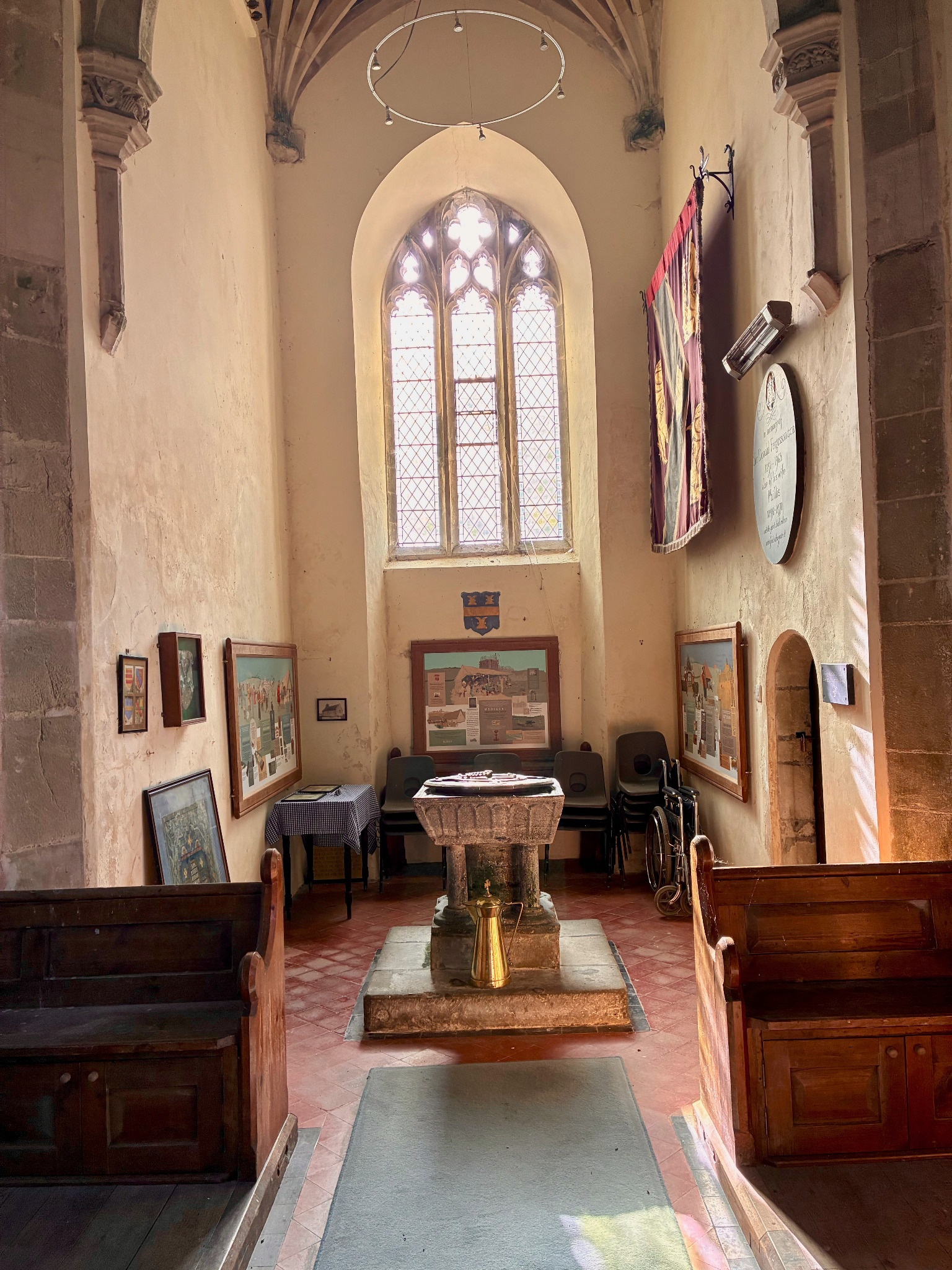
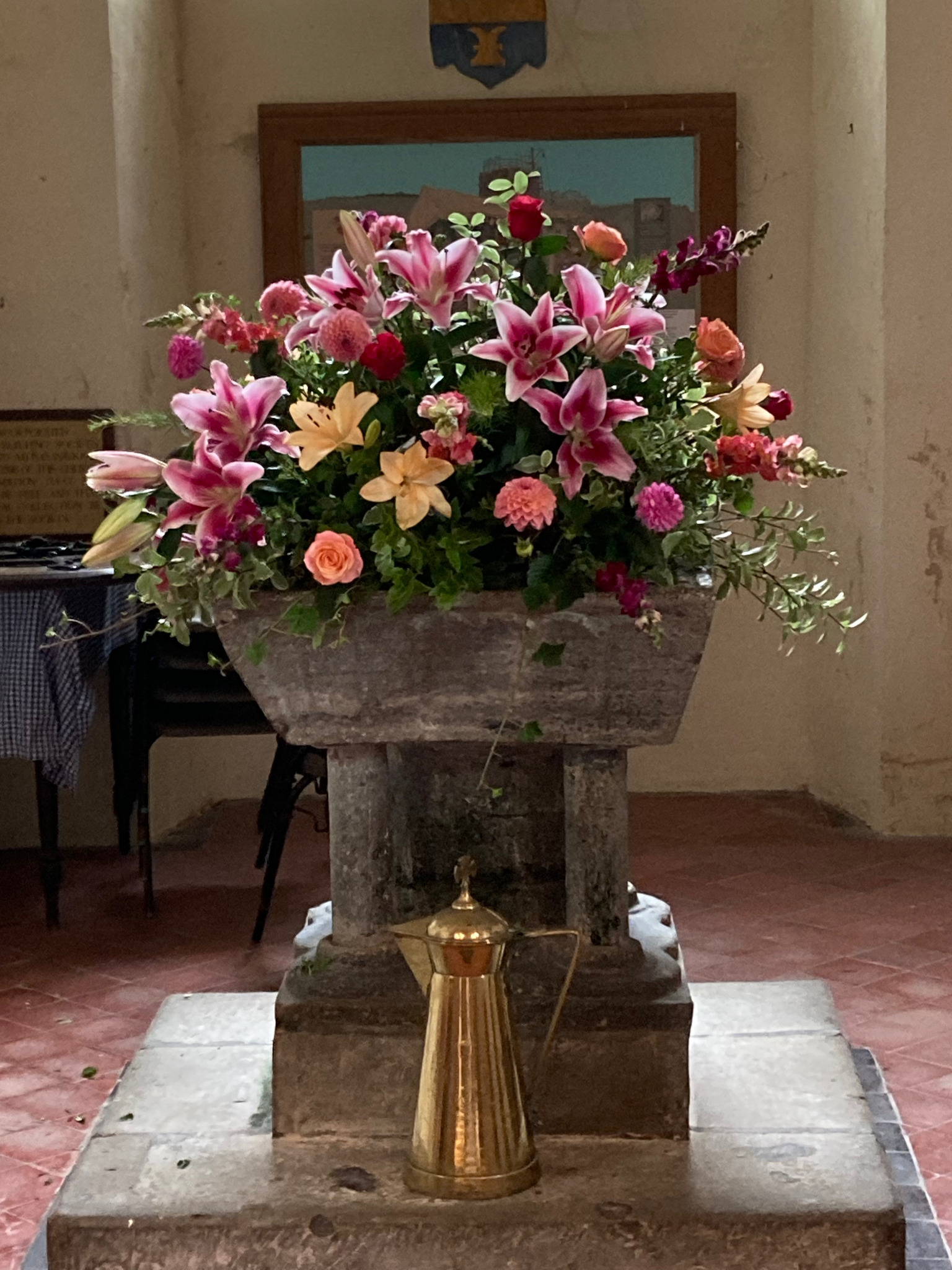
Another unusual feature of the church is the large Norman Purbeck marble font. The bowl stands on a broad circular central column surrounded by four shafts.
A rector is recorded in Ebbesbourne by the early 13th Century and in 1222 ownership of the advowson - the right to appoint clergy to the parish - was disputed between Breamore Priory and Matthew Wake, probably then lord of the manor. The priory retained its estate, but the later ownership of the advowson is obscure.
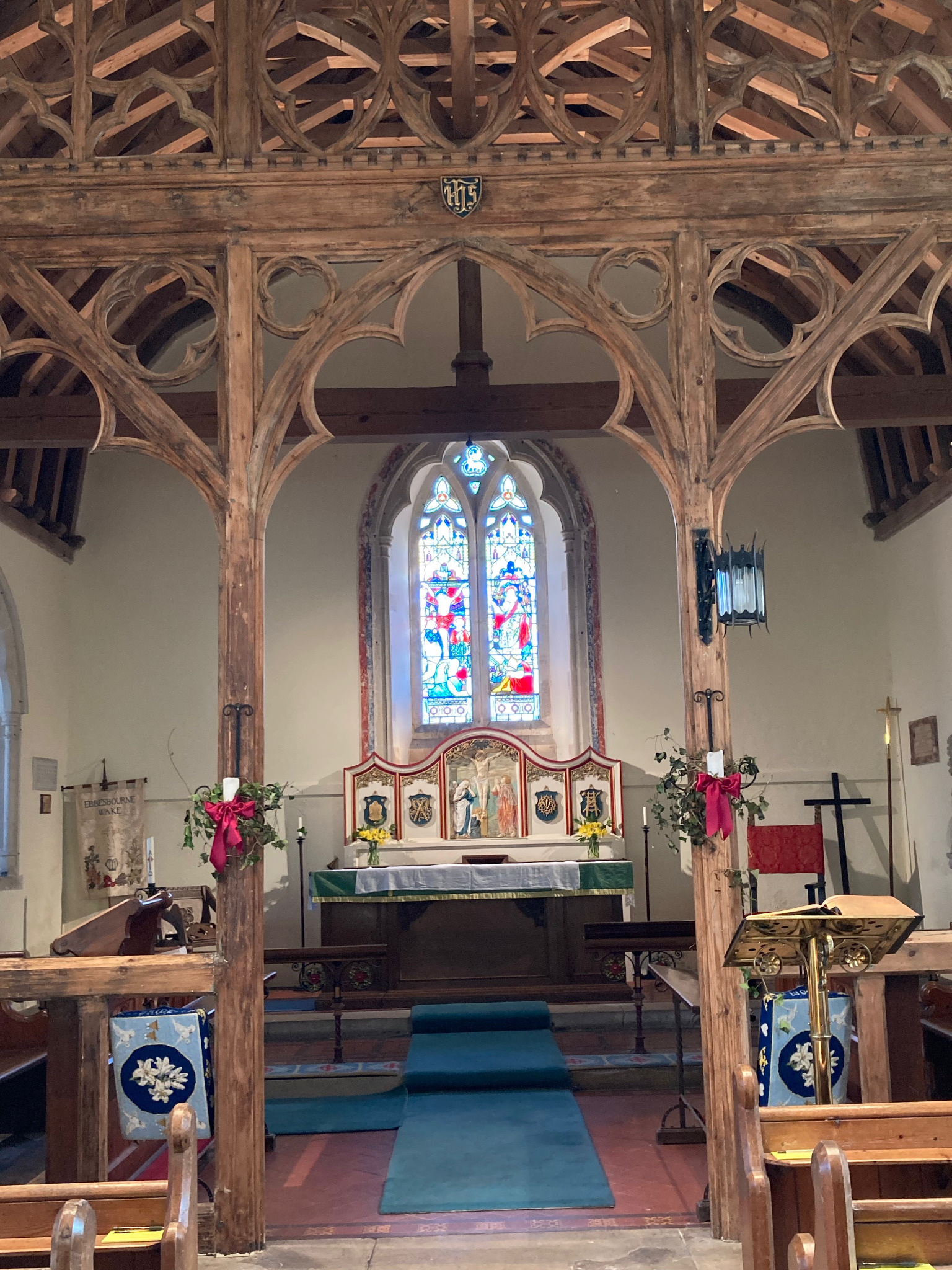
In 1520 the Bishop of Salisbury, Edmond Audley, dedicated a newly erected oak rood screen, surmounted by a loft. This was removed after the Reformation, either during the reign of the boy-king Edward V1 or in the time of Elizabeth 1 when religious vandalism marked the death of her half-sister Mary, or even later still in Cromwell's time. The present simple screen was erected in 1889.
Building Renovations
In 1874 the church was restored by Ewan Christian, when the walls were largely rebuilt and the roof and most of the windows were replaced.
In 2017 there was an extensive renovation of the interior, which revealed blue and red paint fresco around the windows, and also repairs were done to the exterior of the church.
Our Bells
Records show that the three bells that hung in the tower in 1553 were replaced one by one in 1633, 1637 and 1660, and that in 1884 treble and tenor bells were added to complete the present peal of five. Silenced during the Second World War they were rung in 1945 to celebrate the peace but were silenced again almost immediately as the wooded bell-frame was dangerously decayed. They remained silent until 1997 when a grant was given and much money was raised to enable the frame to be repaired and the bells to be tuned at the Whitechapel Bell Foundry and for them to be re-hung. A band of ringers was trained in time to ring in the millennium.

Support St John the Baptist at Ebbesbourne Wake